The Top 10 Supplements for Health, Wellbeing, and Longevity
4 min read
Getting fit and strong, and boosting vitality and longevity is a process of change for every part of your body. A well thought out consistent exercise regime will help you lose body fat, build muscle and improve your physical and mental wellness, getting 7-8 hours of quality sleep every night will maximise healing and growth, and a good diet will provide the micronutrients your body needs. But, how many of us eat the perfect diet? Even if we know what foods we should be eating, most of us get some way towards it but with our busy lives, different people in the family with different likes and needs, limited local availability and limited budgets, most of us fall short and are missing essential vitamins, minerals and nutrients.
We have produced the following list of the top 10 supplements for health, well-being, and longevity, based on current scientific understanding and evidence from reputable sources. We have chosen products that contain the highest quality clean, ethically sourced ingredients with no added fillers or binders. These supplements are selected for their potential to support overall health, address common deficiencies, and promote longevity, though individual needs vary based on diet, lifestyle, and health conditions. Always consult a healthcare professional before starting any supplement regimen.
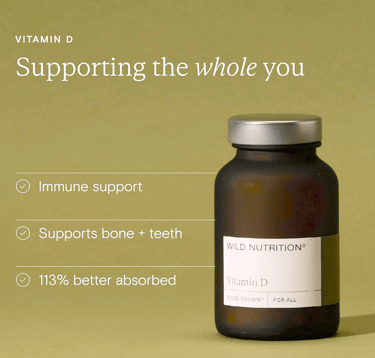
1. Vitamin D
• Benefits: Supports bone health, immune function, and mood regulation. May reduce risk of chronic diseases like heart disease and certain cancers
• Evidence: Studies show vitamin D deficiency is common, especially in areas with limited sunlight. Supplementation (e.g., 1,000–4,000 IU daily) can improve immune health and reduce inflammation.
• Sources: Sun exposure, fatty fish, fortified foods; supplements often needed in winter or for those with limited sun exposure.
2. Omega-3 Fatty Acids (EPA/DHA)
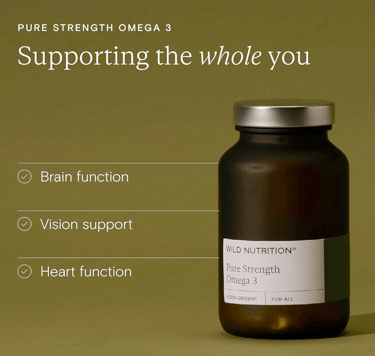
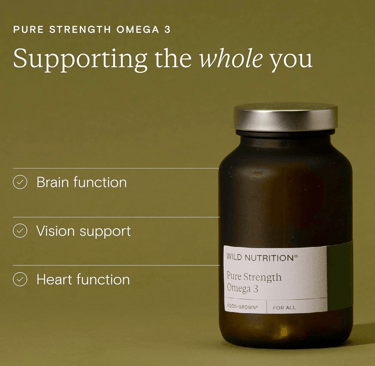
• Benefits: Promotes heart health, reduces inflammation, supports brain function, and may lower risk of cardiovascular disease.
• Evidence: Research indicates 1–2 g/day of EPA/DHA (from fish oil or algae-based supplements) supports cardiovascular and cognitive health.
• Sources: Fatty fish (salmon, mackerel), algae supplements for vegetarians/vegans.
3. Magnesium
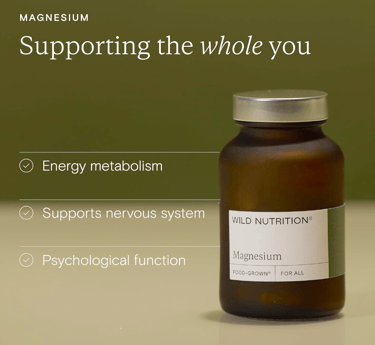
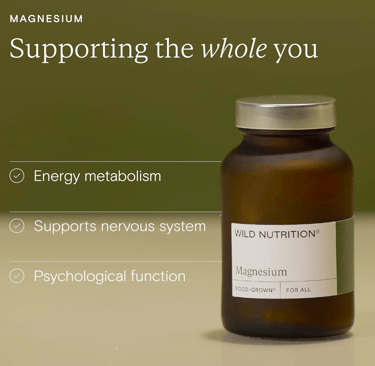
• Benefits: Supports muscle and nerve function, energy production, and sleep quality. May reduce stress and improve heart health.
• Evidence: Magnesium deficiency is widespread; supplementation (200–400 mg/day, e.g., magnesium citrate or glycinate) can improve sleep, mood, and metabolic health.
• Sources: Nuts, seeds, leafy greens; supplements for those with low dietary intake.
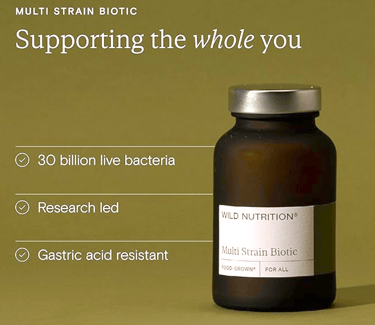
4. Probiotics
• Benefits: Supports gut health, improves digestion, and boosts immunity. May influence mental health via the gut-brain axis.
• Evidence: Strains like Lactobacillus and Bifidobacterium (10–50 billion CFU/day) show benefits for gut microbiome diversity and immune function.
• Sources: Fermented foods (yogurt, kefir, sauerkraut) or high-quality probiotic supplements.
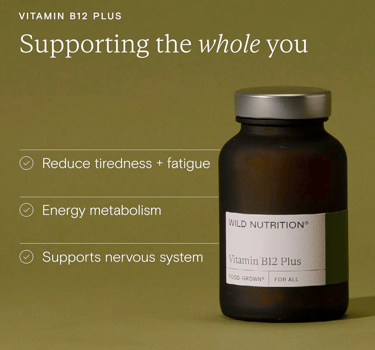
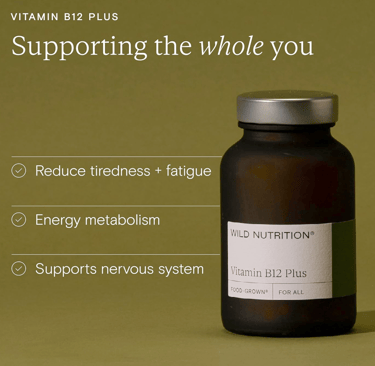
5. Vitamin B12
• Benefits: Essential for red blood cell production, neurological function, and energy metabolism. Critical for vegetarians/vegans.
• Evidence: Deficiency is common in older adults and plant-based diets; 500–1,000 mcg/day (cyanocobalamin or methylcobalamin) prevents deficiency.
• Sources: Animal products (meat, eggs); supplements or fortified foods for vegans.
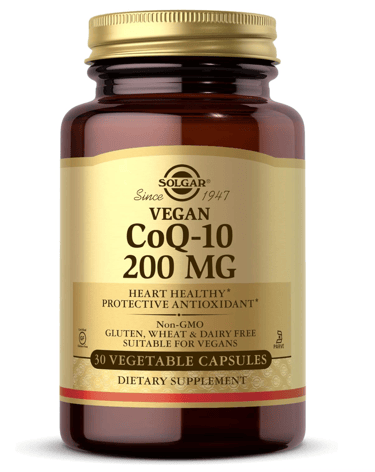
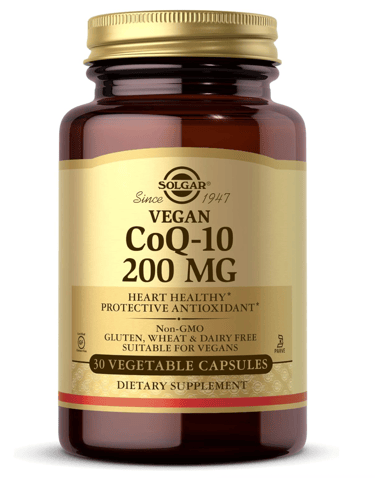
6. Coenzyme Q10 (CoQ10)
• Benefits: Supports cellular energy production and heart health. Acts as an antioxidant, potentially slowing aging processes.
• Evidence: Studies suggest 100–200 mg/day may improve heart function and reduce oxidative stress, especially in older adults or those on statins.
• Sources: Organ meats, fish; supplements for higher doses.
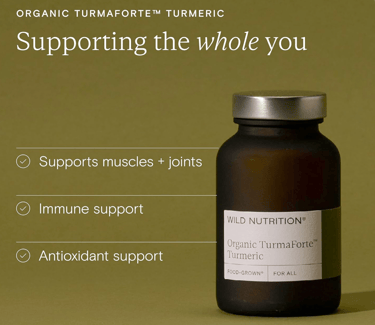
7. Curcumin (Turmeric Extract)
• Benefits: Anti-inflammatory and antioxidant properties; may support joint health, brain function, and reduce chronic disease risk.
• Evidence: 500–2,000 mg/day of curcumin with piperine (for absorption) shows benefits in reducing inflammation and improving cognitive health.
• Sources: Turmeric root; supplements for therapeutic doses.
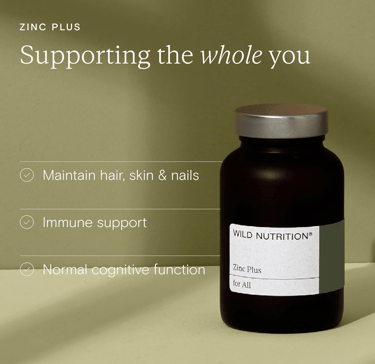
8. Zinc
• Benefits: Supports immune function, wound healing, and DNA synthesis. May reduce cold duration and improve skin health.
• Evidence: 15–30 mg/day can prevent deficiency and support immunity, especially in older adults or those with poor diets.
• Sources: Oysters, red meat, nuts; supplements for vegetarians or low intake.
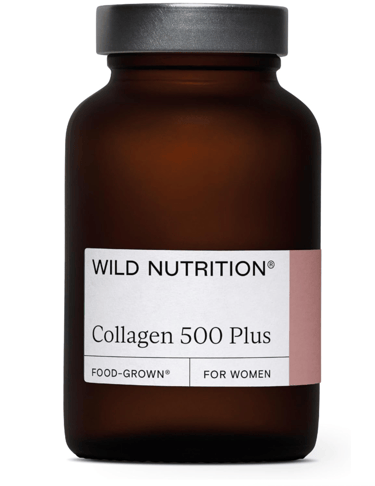
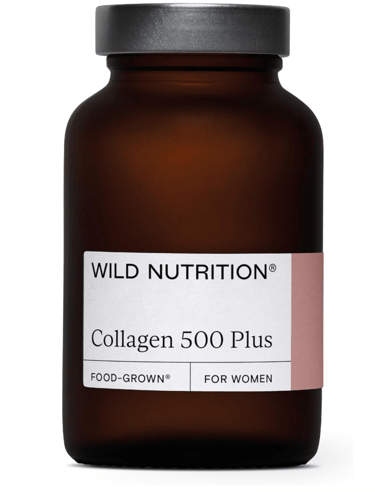
9. Collagen
• Benefits: Supports skin elasticity, joint health, and bone strength. May improve hair and nail health.
• Evidence: 2.5–10 g/day of hydrolyzed collagen peptides shows benefits for skin aging and joint pain in studies.
• Sources: Bone broth, fish; supplements for consistent dosing.
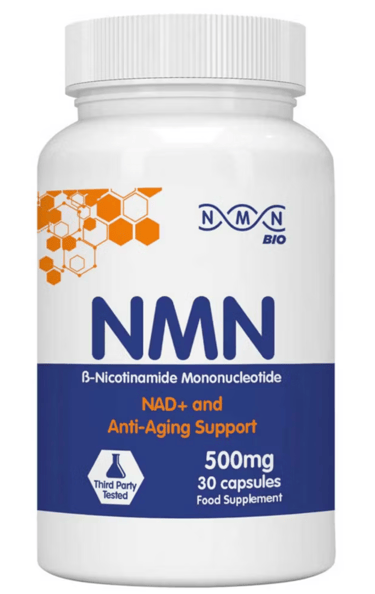
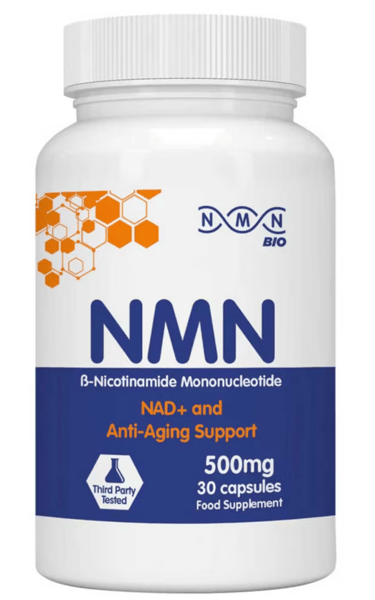
10. Nicotinamide Mononucleotide (NMN)
• Benefits: Precursor to NAD+, which supports cellular repair, energy metabolism, and may promote longevity.
• Evidence: Emerging research suggests 250–500 mg/day may improve metabolic health and slow aging markers, though long-term data is limited.
• Sources: Trace amounts in foods like broccoli; supplements for effective doses.
Individual Needs: Supplement needs depend on age, diet, health status, and lifestyle. Blood tests can identify deficiencies (e.g., vitamin D, B12, or magnesium).
Quality Matters: Choose high-quality, third-party-tested supplements to ensure purity and potency.
Diet First: A balanced diet rich in whole foods (fruits, vegetables, lean proteins, healthy fats) is the foundation of health; supplements fill gaps.
Cautions: Avoid megadosing (e.g., excessive vitamin D or zinc can be harmful). Consult a doctor, especially if on medications or with chronic conditions.