The anti-aging supplement. 7 benefits of taking DHA
7 benefits of taking DHA
11/2/20254 min read
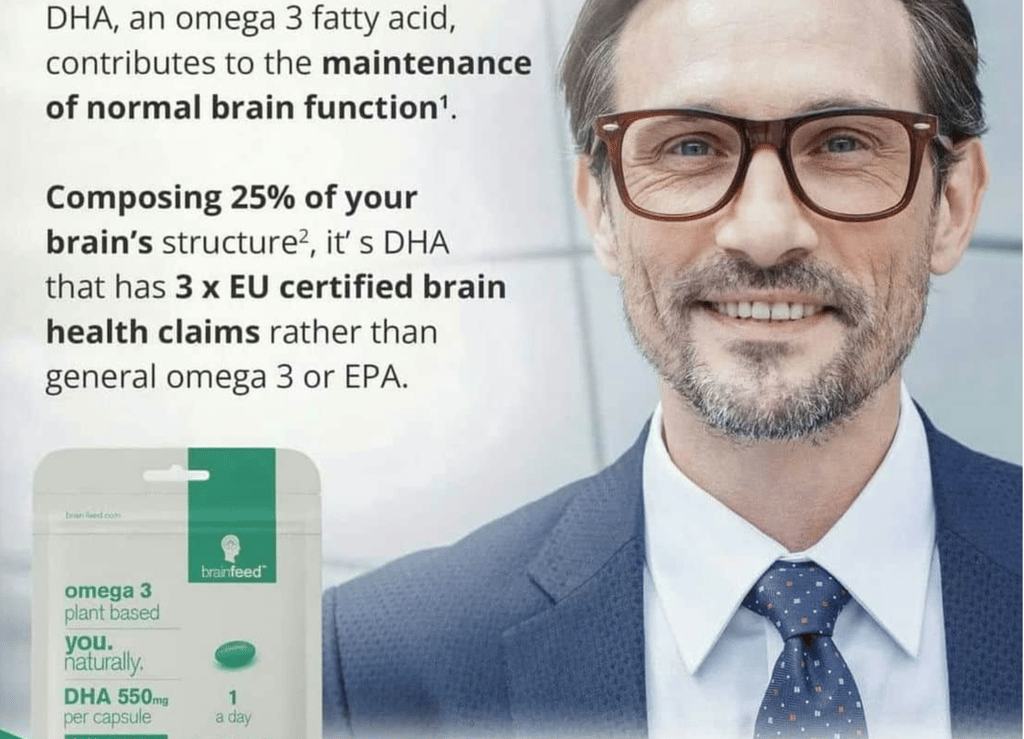
Chasing Vitality at 56: My Three-Month Journey with Brain Feed’s Plant-Based Omega-3
As a 56 year old father of 2 who plans to retire soon, I am determined not to just sit down, watch telly and fade away. I have put up with the stress and drudgery of work for 40 years and I think it would be a shame if those 40 years were the main event in my life and my retirement was a kind of short break before the end. I prefer to think of those 40 years as preparation for the main part of my life. But if I want to be striding over the South Downs in my 80s rather than rather than shuffling round the retirement home with my zimmer frame and my shirt on backwards I need to live the right lifestyle. The human body is amazing at adapting to the environment. Whatever you do consistently over time, determines what your body does. If you lift weights and eat a protein rich diet over time it will increase the size of your muscles to keep up with the demand you are consistently putting on them but it is designed to survive and as muscle takes a lot of energy to maintain, it will reduce the amount you have as soon as it can. You often see people decline quickly when they retire because while they are working and active the body keeps providing what is asked of it but then they stop work, start to become more sedentary the body is told through the new lifestyle that it no longer needs as much muscle and you decline physically. The same applies to the brain. As with all muscles, while you are working and your brain is active and well fed it will perform as required but if you retire and don't give your brain the right nutrition and exercise, over time you will see cognitive decline.
So, staying physically active is a major factor in having a long and healthy retirement, but the nutrients we ingest are equally as important, especially as we age. We not only have to fuel the normal functions of growth and repair but we also have to offset the effects of aging such as Sarcopenia (loss of muscle mass and strength), hormonal changes like the reduction of testosterone and growth hormone, and reduction in brain function.
In order to provide everything the body needs from diet alone is very difficult and especially if you are trying to get high enough doses to combat the aging process. This is why supplements are so important. You will see if you read the blog "The top 10 supplements for health, wellbeing and longevity" on this website that Omega-3 fatty acids are number 2 on the list. perhaps my mum was right about cod liver oil after all?
Why Omega-3? A Quick Lowdown for the Over-50s
As you hit your fifties, inflammation is the quiet villain. It sneaks up, dulling your spark and speeding up the ageing clock. Omega-3 fatty acids are your body’s natural defenders, tackling inflammation, boosting brain health, and keeping your heart in top nick. But fish oil?- the fishy burps, questionable sustainability, and potential toxins in the mix are a hard no for me. Algae-based Omega-3, though? Clean, vegan, and straight from the source—phytoplankton, nature’s Omega-3 factory. Brain Feed’s capsules deliver 550mg DHA per capsule. No fillers. No aftertaste, no bloating, just results, but what is DHA?
DHA (Docosahexaenoic Acid) is a long-chain omega-3 fatty acid, a type of polyunsaturated fat critical for human health. It's a key stuctural component of cell membranes particularly in the brain, retina, and heart, and plays essential roles in neurological, cardiovascular and visual functions.
Benefit 1: Brain Health
Supports cognitive function, memory, and neural development; critical in aging to reduce risks of cognitive decline
Benefit 2: Eye Health
DHA is a major component of retinal membranes, aiding vision and preventing age-related macular degeneration (AMD)and dry eye syndrome. Research shows 500mg/day DHA reduced AMD progression risk by 25-30% in older adults. It supports tear production, easing discomfort.
Benefit 3: Heart Health
Reduces inflammation, lowers triglycerides, and supports healthy blood pressure and heart rhythm. It enhances arterial flexibility, decreasing the risk of heart disease, stroke and hypertension which are major concerns after 50.
Benefit 4: Better Mood, Less Stress
DHA modulates neurotransmitter function (e.g; serotonin, dopamine), reducing the risk of depression and anxiety, which can increase with age due to social and neurological changes. It counters neurotransmitter decline and stress related mood disorders. A 2025 review found 300-600mg/day DHA improved mood scores in seniors by 10 to 12%, particularly in those with low baseline omega-3 levels.
Benefit 5: Enhances muscle health and mobility
DHA supports muscle protein synthesis and reduces muscle inflammation, aiding strength and recovery which are critical for maintaining mobility in aging. It mitigates muscle mass decline (sarcopenia)which is about 1 to 2% per year after 50.
Benefit 6: Combats Inflammation
DHA lowers Chronic low grade inflammation, a hallmark of aging that contributes to diseases like arthritis, diabetes, and heart disease. Studies indicate that it reduces inflammatory markers such as C-reactive protein by 10 to 15% in older adults, supporting joint health and overall vitality.
Benefit 7: Improves insulin sensitivity and metabolic health.
DHA enhances insulin signalling, reducing the risk of type 2 diabetes, which becomes more prevalent with age due to fat redistribution and reduced muscle mass. Research links 250-500mg/day DHA tp 10% improved insulin sensitivity in older adults with metabolic syndrome. It counters metabolic slowdown and visceral fat accumulation.
It's a no brainer
Taking a daily dose of DHA is a no-brainer for me as a 56 year old man looking for vitality and longevity. I have been getting mine from Brain Feed. It gives me double the DHA I would get from fish oil but without the fishy taste. It is derived from the same algae fish produce it from but it contains none of the toxins found in the ocean and as it is produced from algae, it does not depend on harvesting small fish like sardines and anchovies which are a crucial part of the marine food chain and the ecosystem of the ocean.